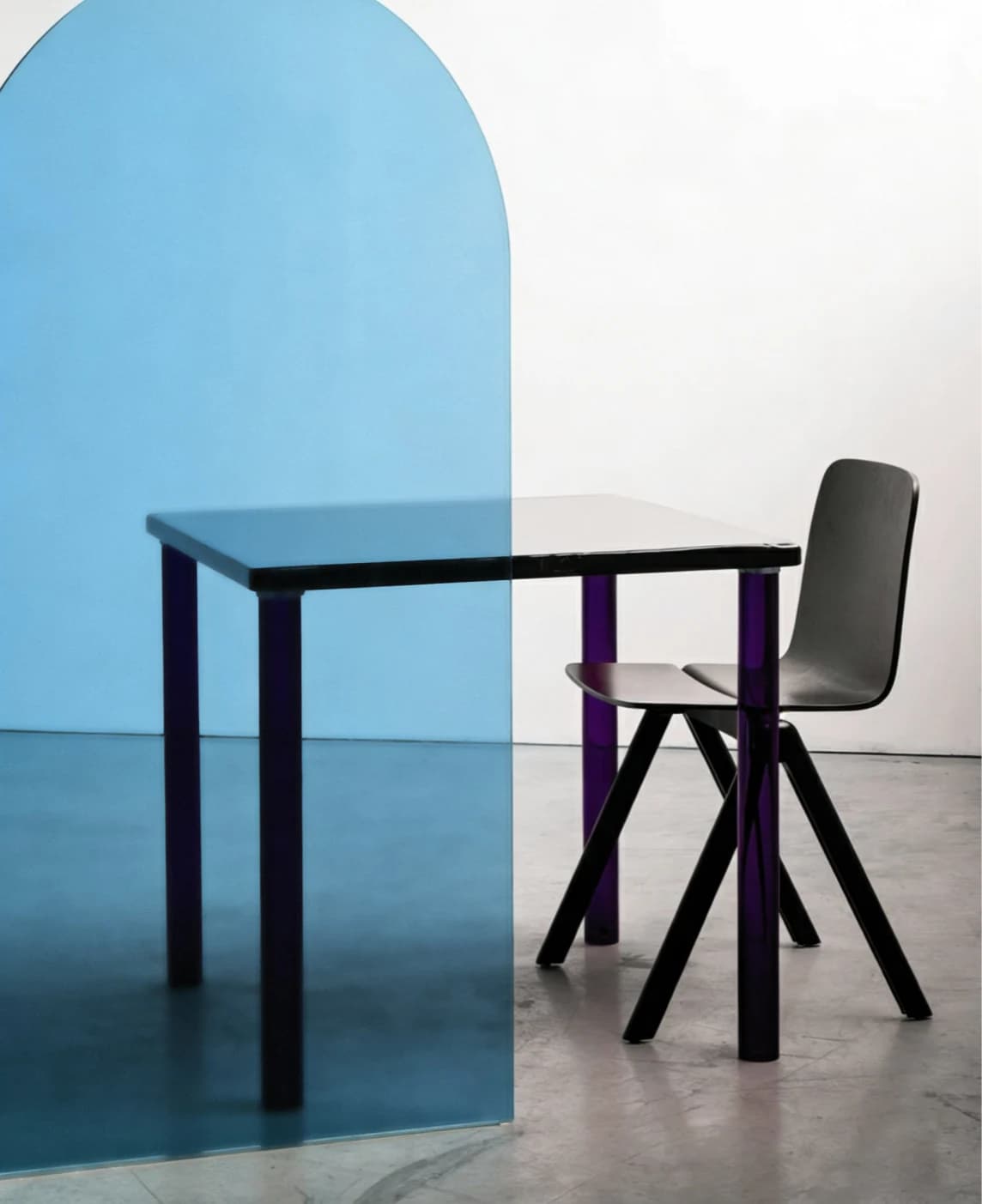
03 / Rhythm & repetition
Pattern.
Rhythm, drawn in glass.
 Start a Project
06 / A quieter structure
A quieter kind of structure.
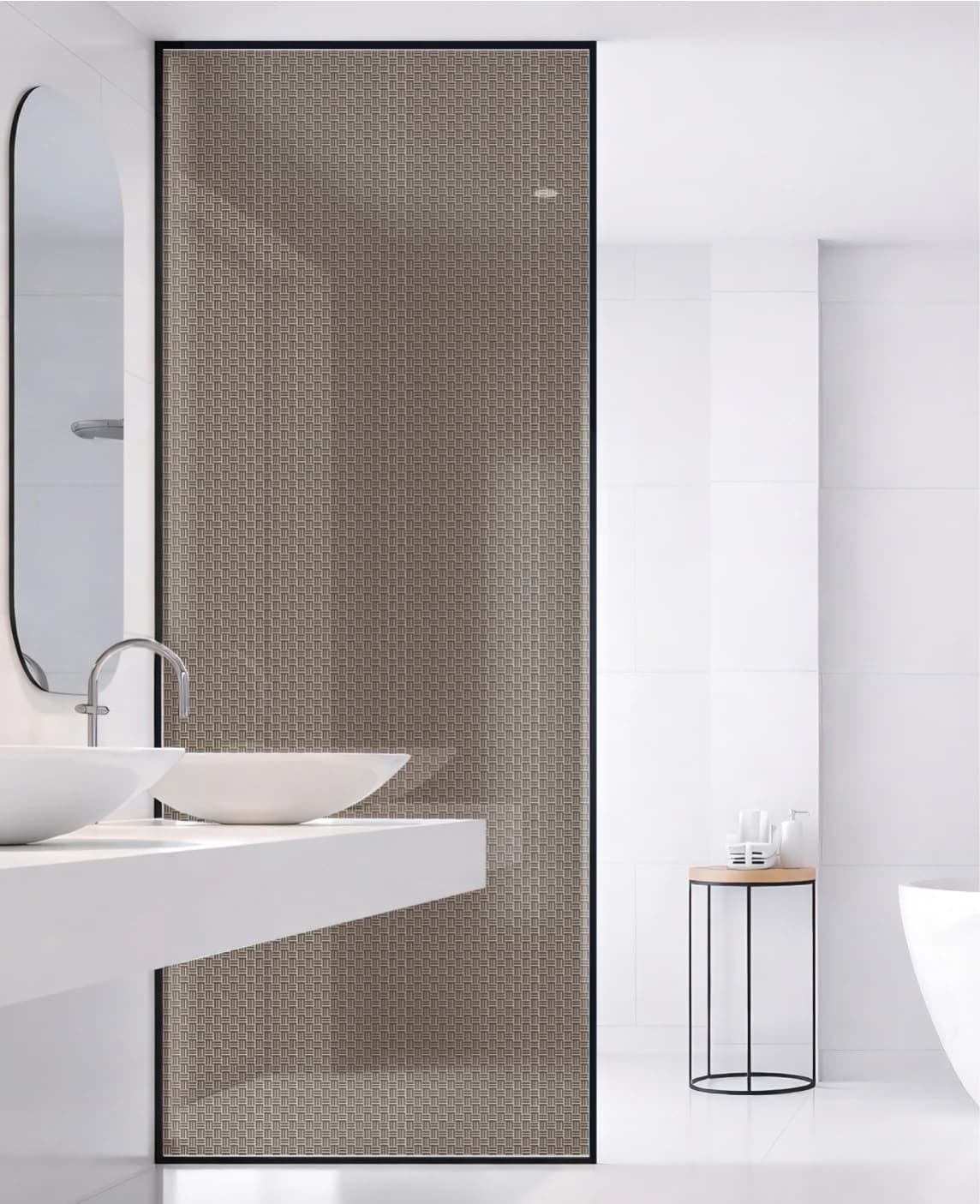
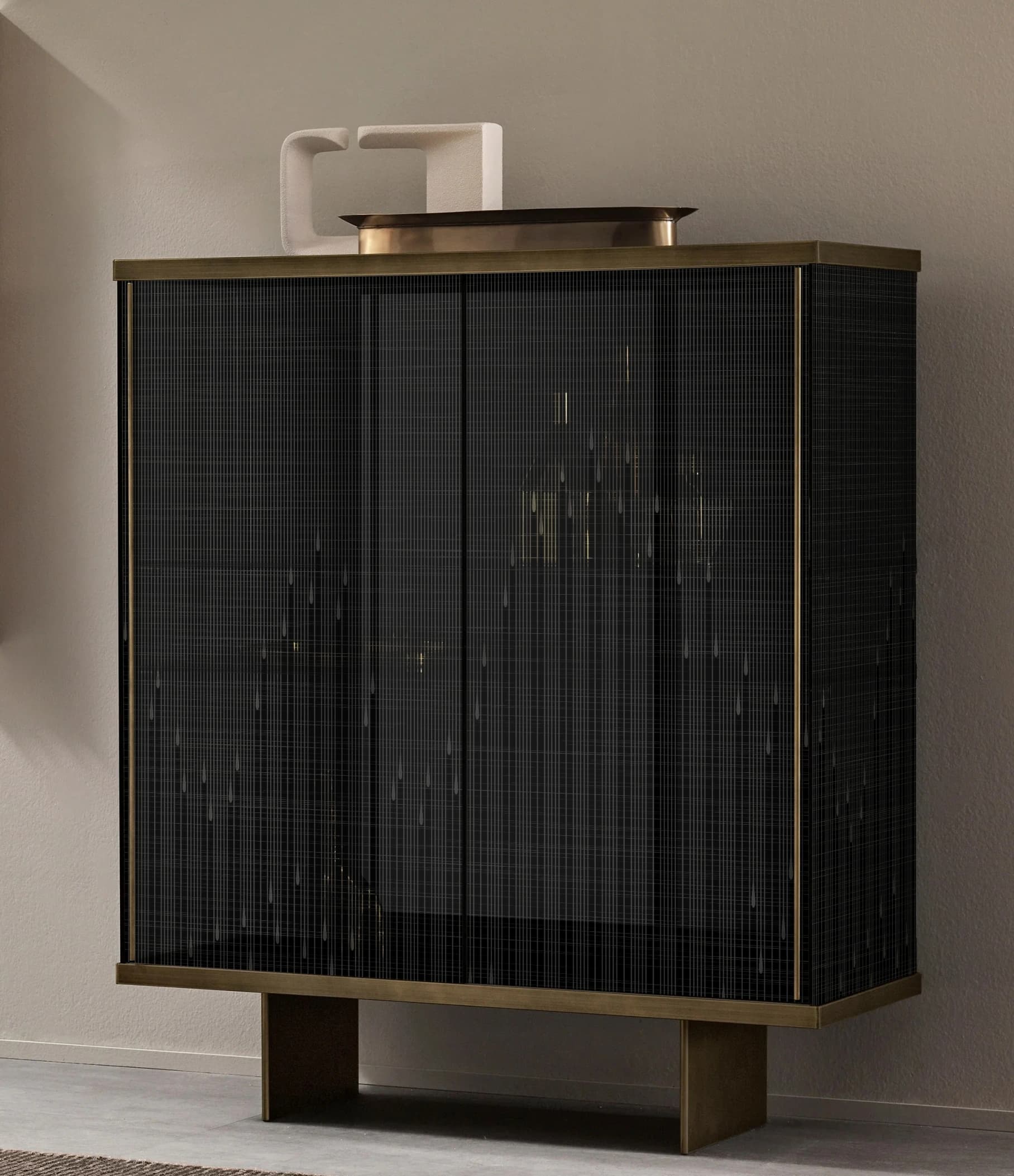
Stripe & Fabric Effect brings linear and woven visual references into glass. The family can introduce a measured rhythm beside larger areas of colour or texture. Consider the direction of the lines, their spacing and how they relate to the room’s frames, furniture and repeated elements.
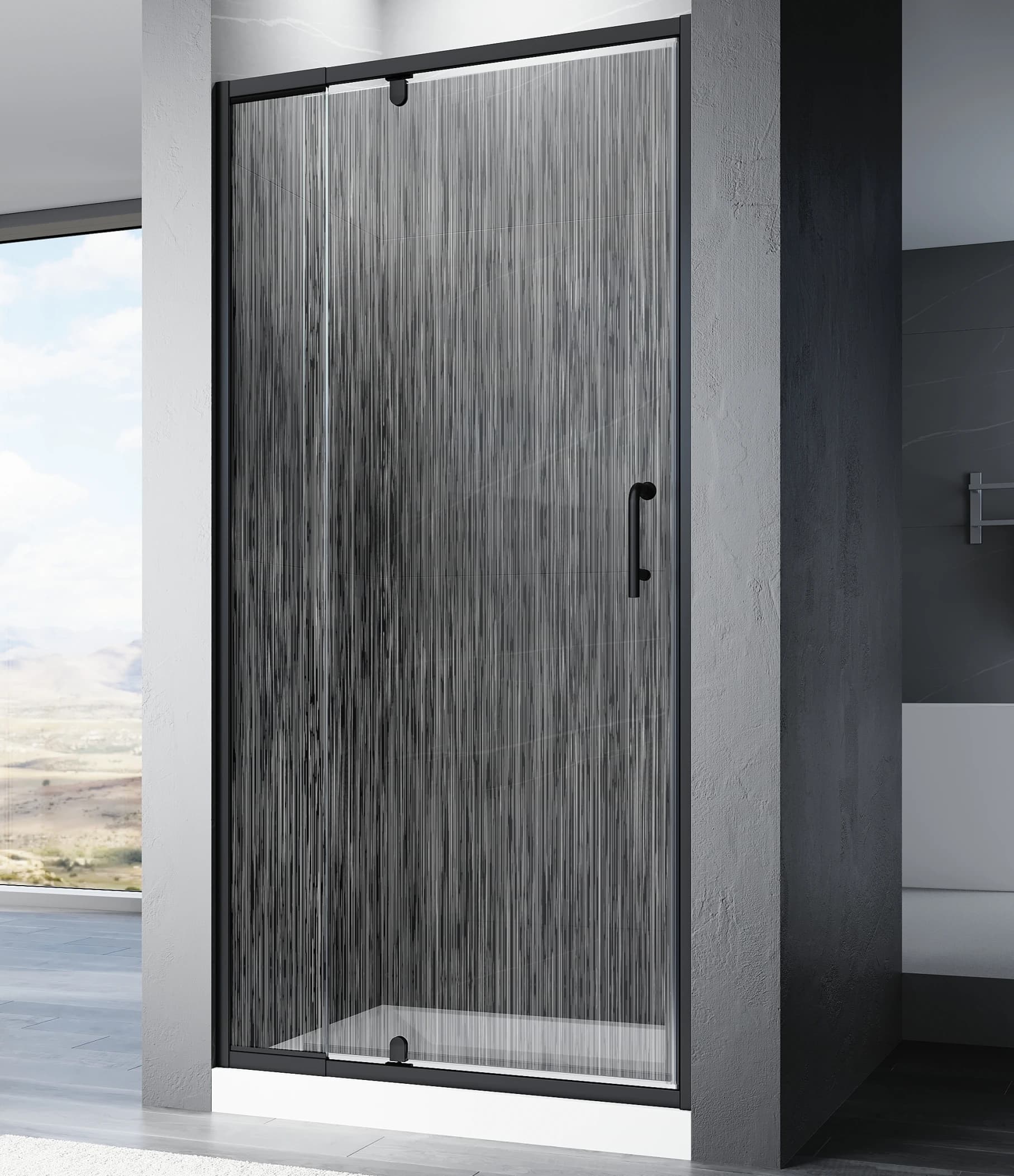
A linear surface may appear quiet from a distance and more detailed nearby. Woven references add another visual scale without implying that the glass has the properties of fabric.
01Material gallery
Vertical lines can echo tall openings; a horizontal direction can relate to joinery or a long wall. The chosen orientation should be read across the full composition, including joints and changes of plane.
02Customisation directions
Stripe & Fabric Effect
Establish the relationship between the pattern and the architecture. Test the orientation on a full panel drawing.
Stripe & Fabric Effect
Compare line spacing and visual density at the distances from which the glass will usually be seen.
Stripe & Fabric Effect
Check the pattern at adjacent panels and frames. Review a sample with the materials that will meet it.
03Recommended applications
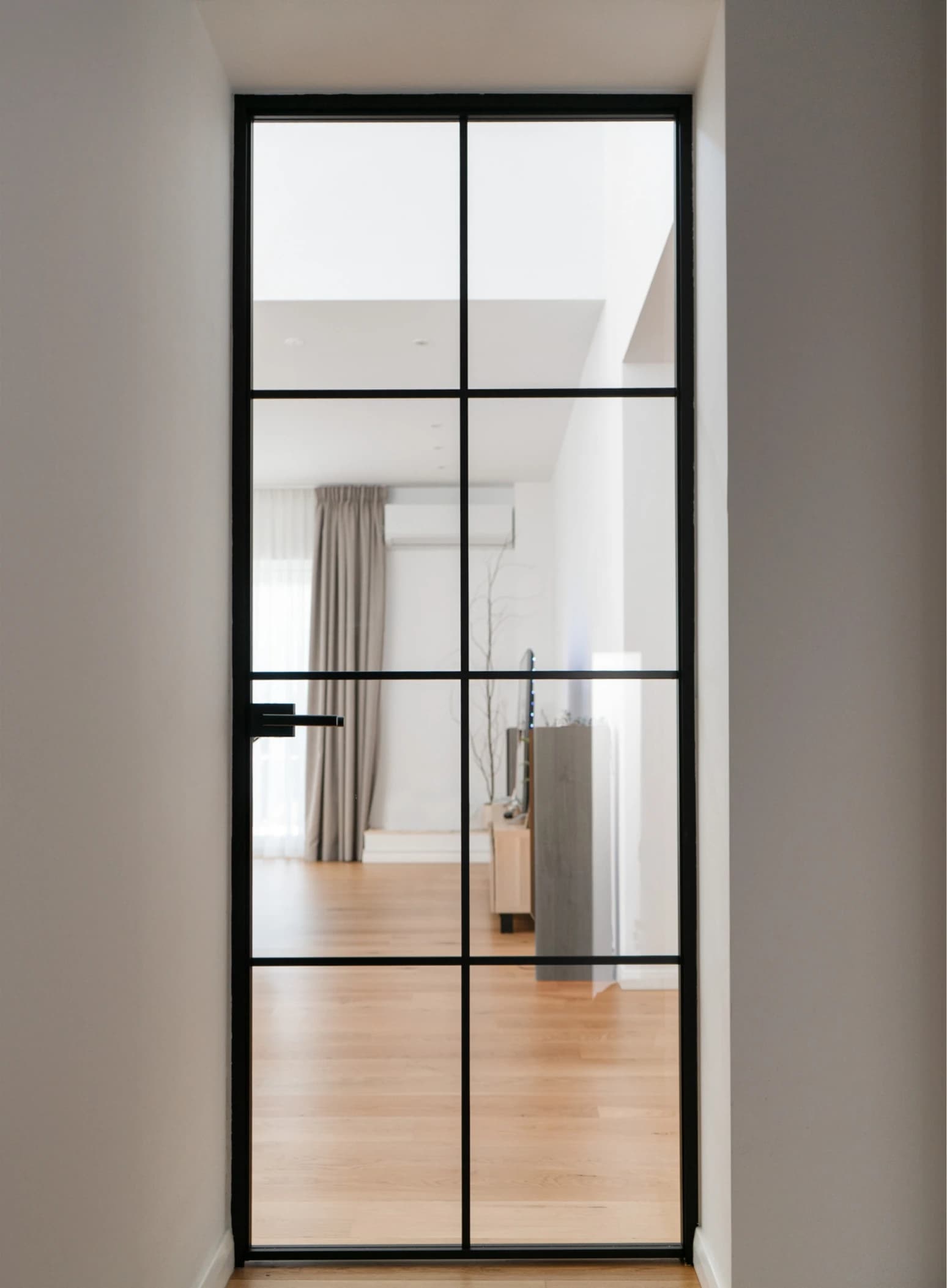
Doors and partitions offer useful starting points. Explore how the surface looks against different backgrounds and from both sides of an opening, then discuss the relevant construction requirements.
↗Project requirements
Dimensions, thickness, finishes, availability and supporting technical information are confirmed according to the intended application and project requirements.
↗Related collections
↗Project references
Explore related visual ideas in selected POBO projects.
Let’s explore the possibilities
Let’s make it in glass.