01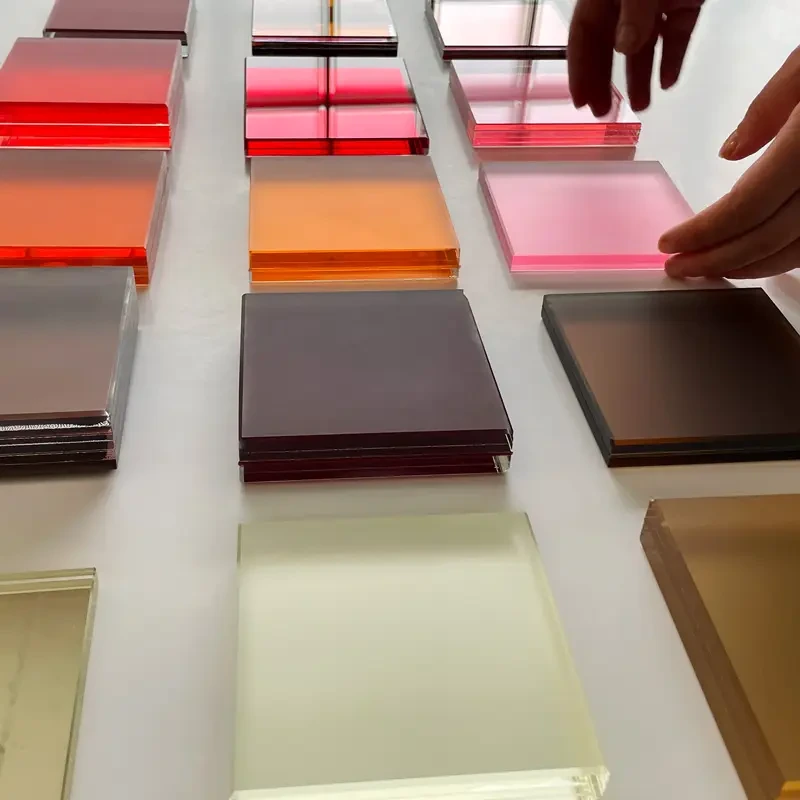
Custom Color
Explore the hue and depth of colour in the glass, and how it sits beside the surrounding materials.
Start with a palette or colour reference.
 Start a Project
Custom development / Material possibilities
Made around your project.
A colour, a surface, a precise detail. POBO’s decorative-glass archive offers a starting point for customized applications. Discuss the material and specification around your brief.
01Material possibilities
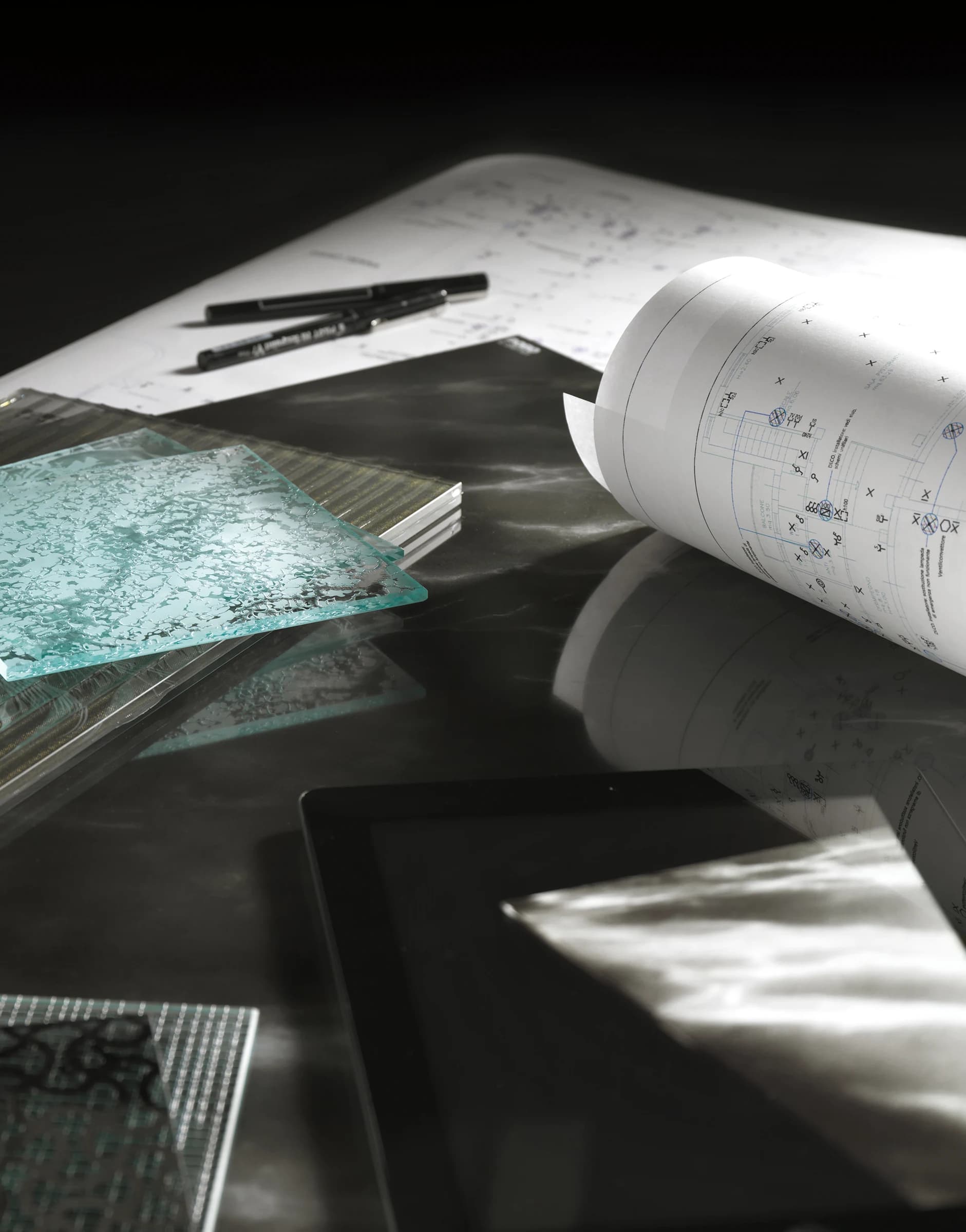
Bring a spatial intention before a finished specification: where the glass will sit, how it should be seen and the materials it will meet. A reference image, a palette and an outline drawing can establish a useful starting point. The conversation can then move between visual character and the practical questions of the application.
Explore the hue and depth of colour in the glass, and how it sits beside the surrounding materials.
Start with a palette or colour reference.
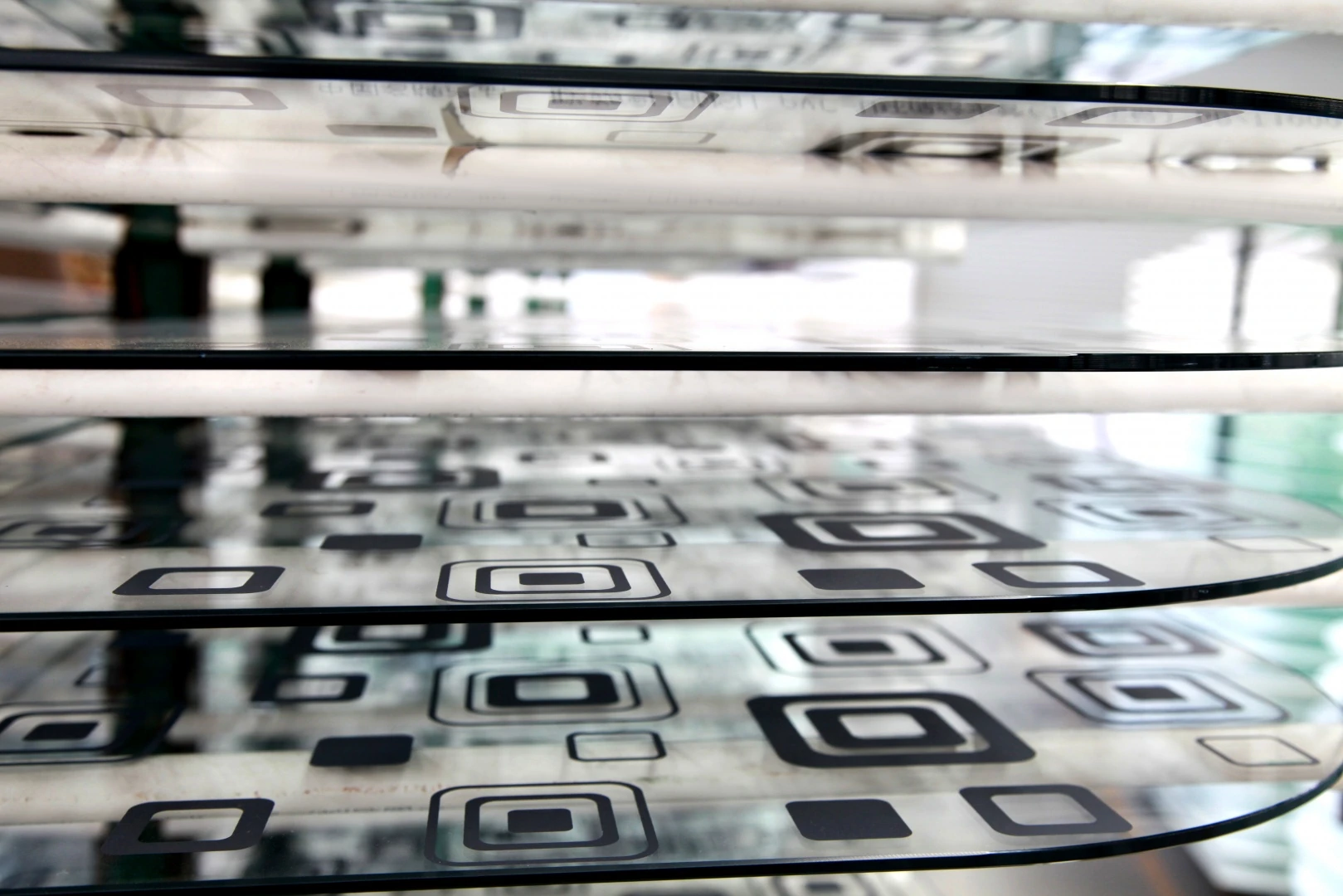
Choose the scale, spacing and rhythm of a repeated motif. Consider what it reveals and what it screens.
Bring a motif and the intended viewing distance.
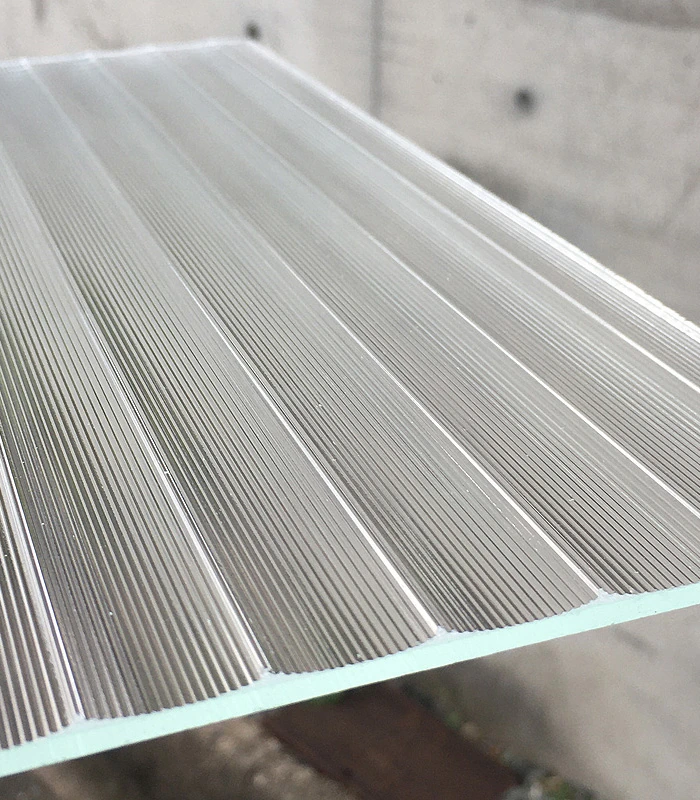
Explore surface character: smooth, rippled or visually layered. Compare how the detail catches the light.
Share the surface character you have in mind.
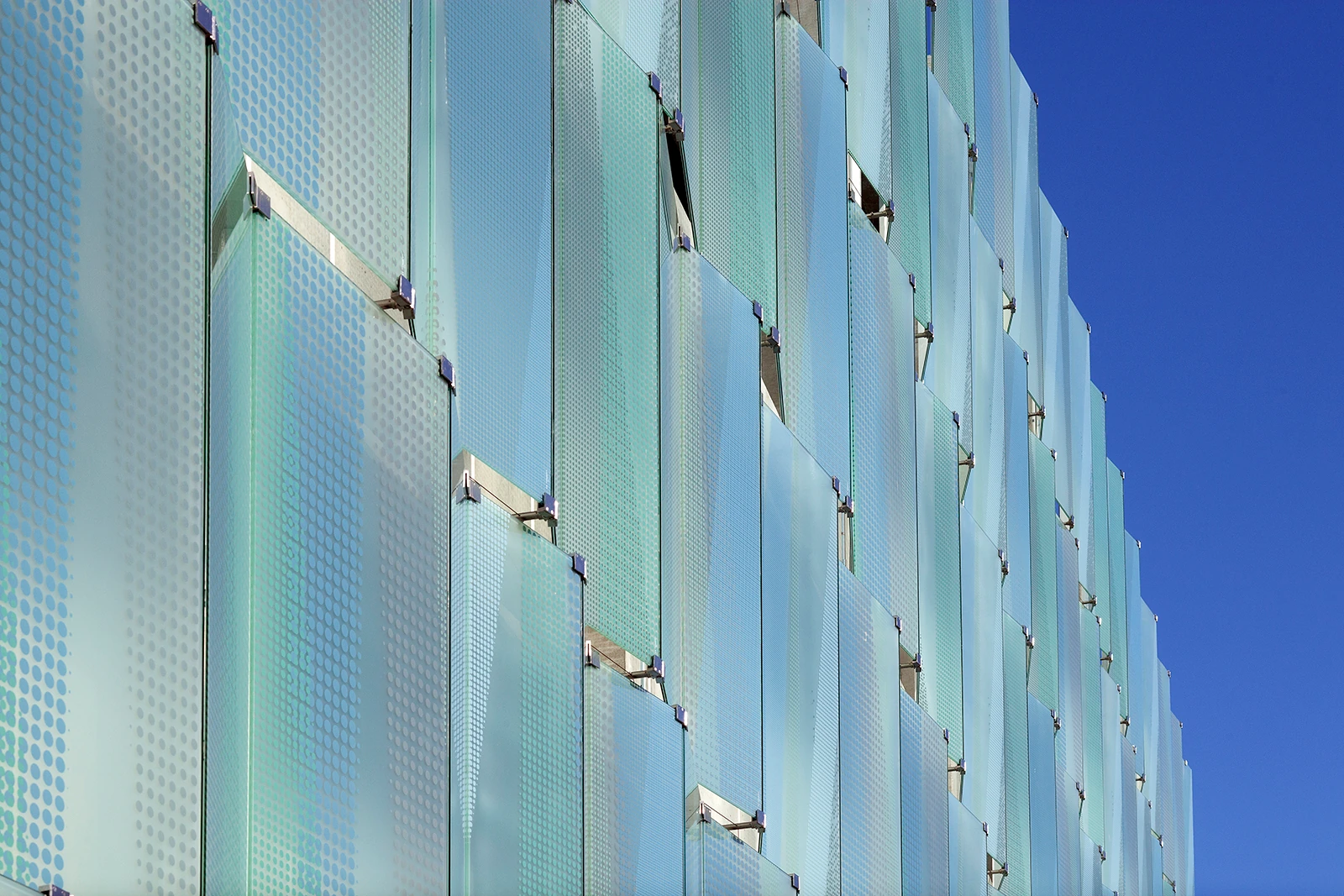
Define each panel’s height, width and proportions in relation to the opening and surrounding construction.
Bring indicative dimensions or a drawing.
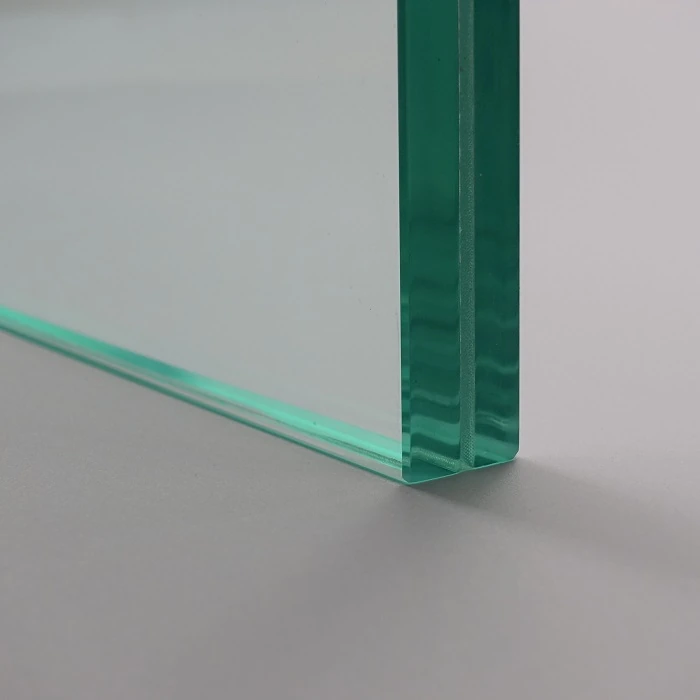
Discuss how glass layers and an interlayer come together, including the visual effect and assembly requirements.
Describe the desired appearance and application.
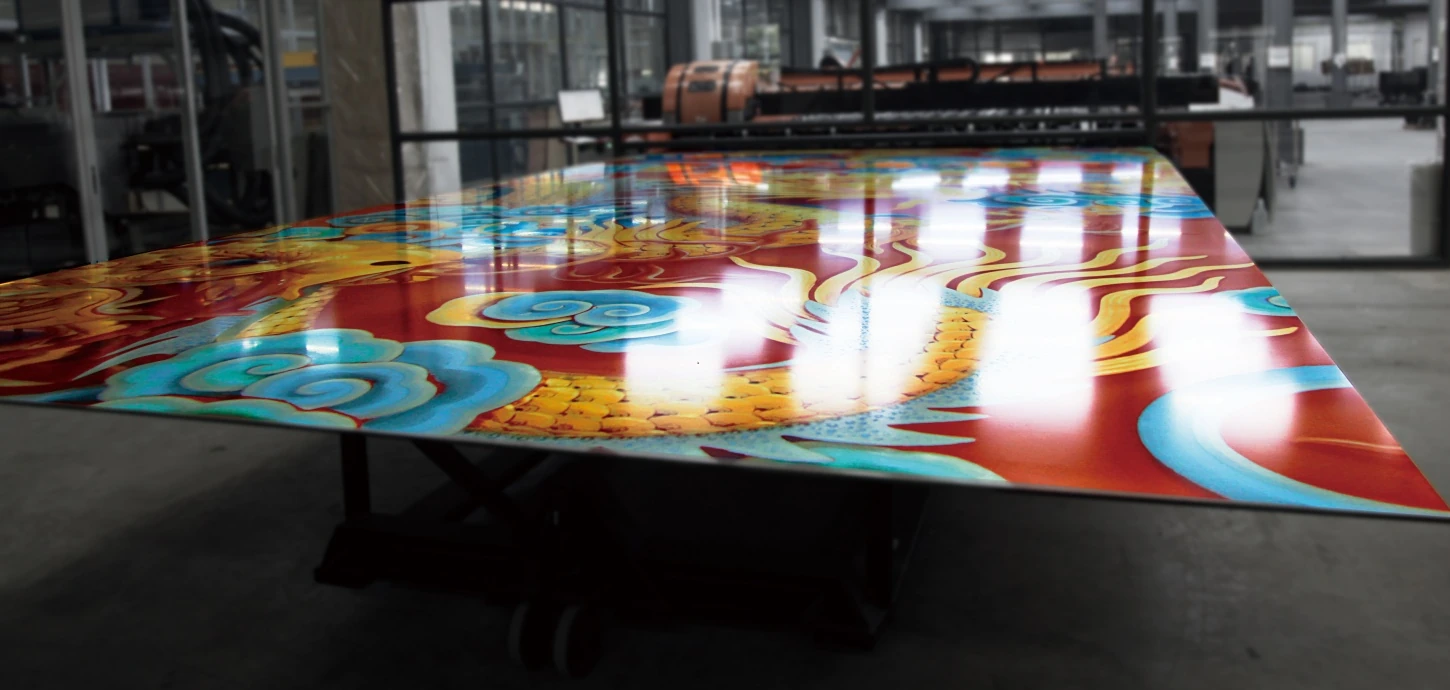
Develop an image or graphic for the glass. Review artwork scale, colour and alignment across adjacent panels.
Start with artwork or a visual reference.
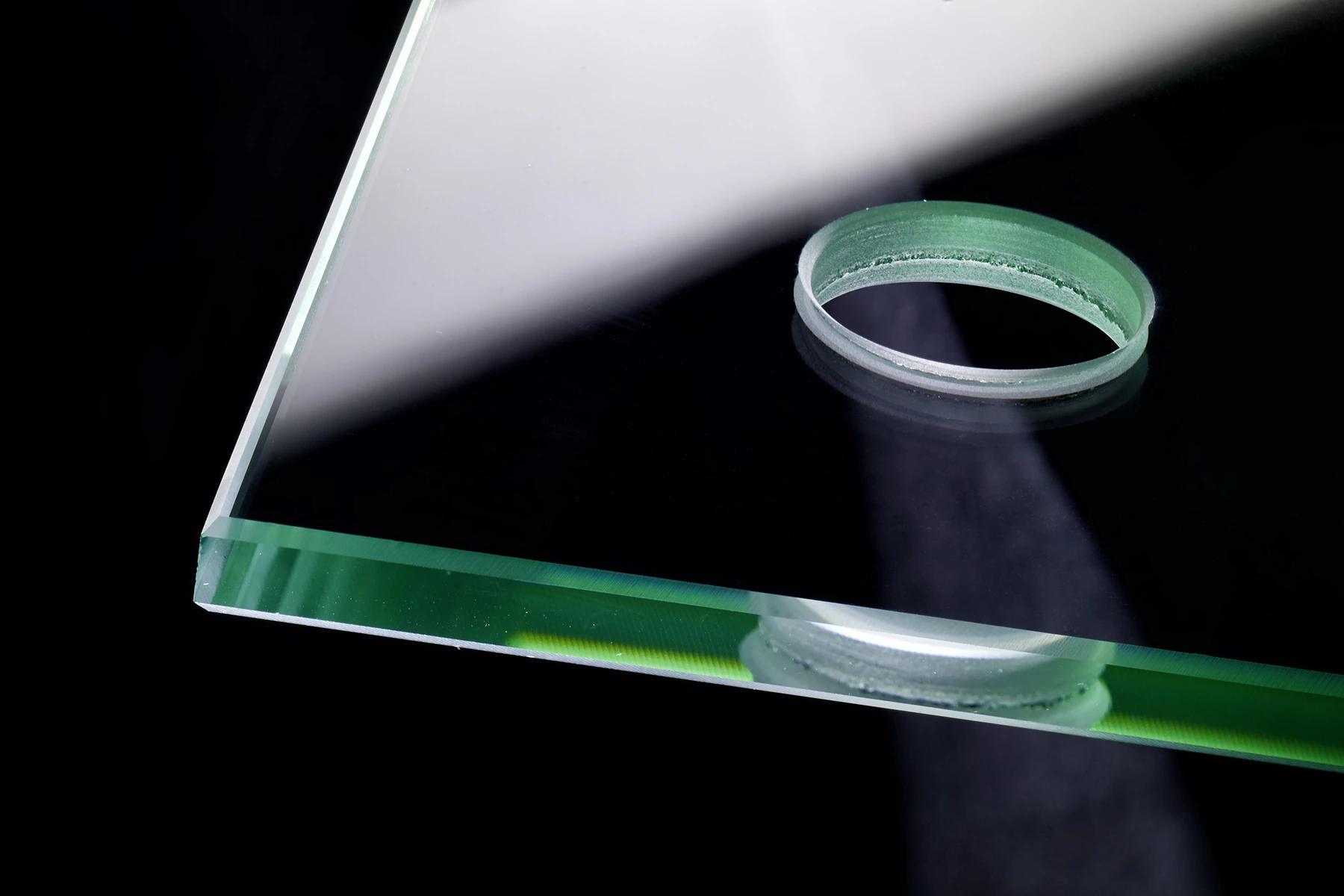
Coordinate the panel shape, cut-outs and fixing positions with the design and installation details.
Share a drawing with the relevant fixing details.
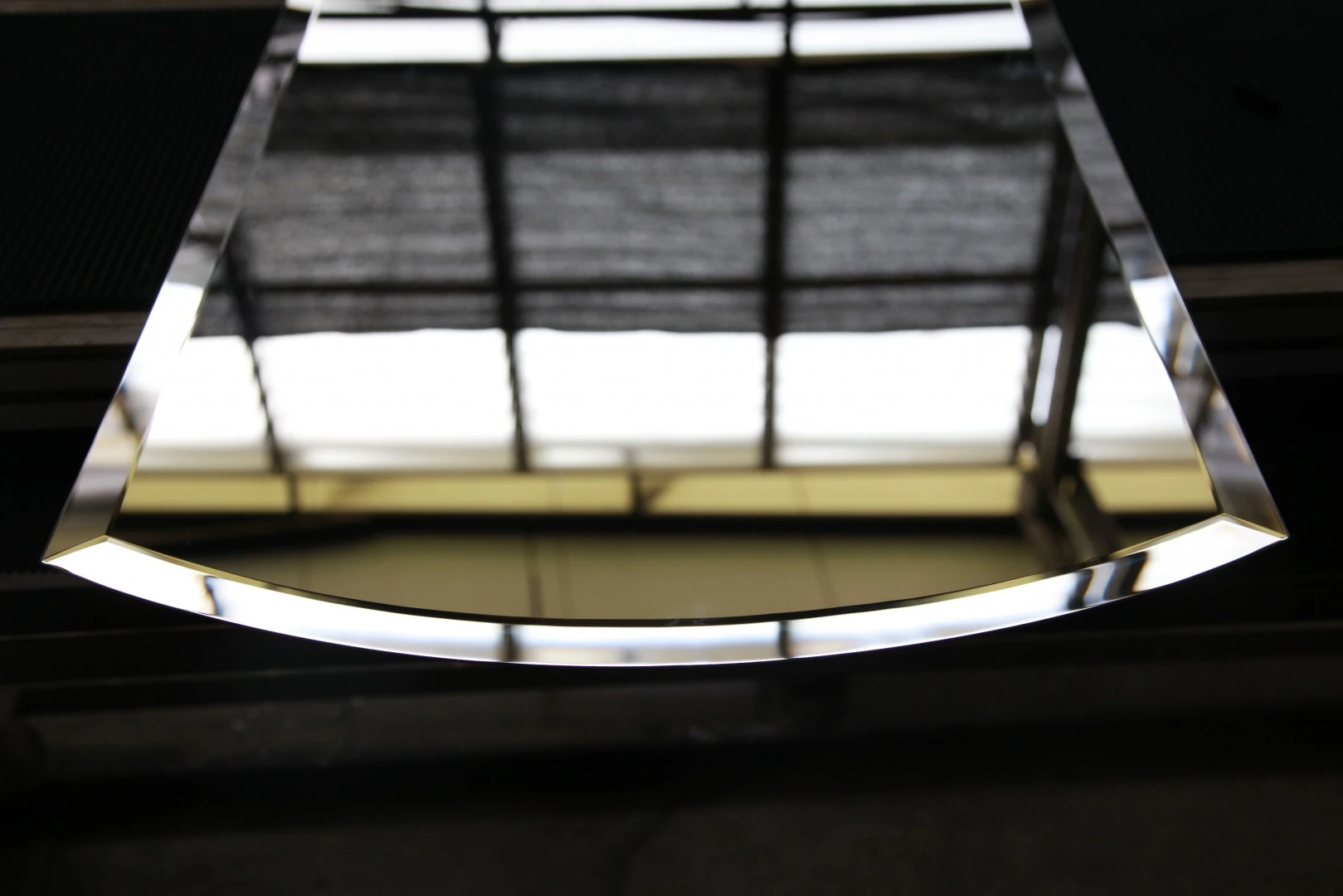
Consider the visible edge: its profile, finish and the way it meets a frame or neighbouring material.
Identify which edges will remain visible.
Photographs illustrate material directions; reference images are not product specifications. Material, dimensions, finish and suitability are reviewed against the project brief.
02Material thinking
Begin with what the space should feel like. Then bring the visual idea into a conversation about colour, surface, proportion and detail.
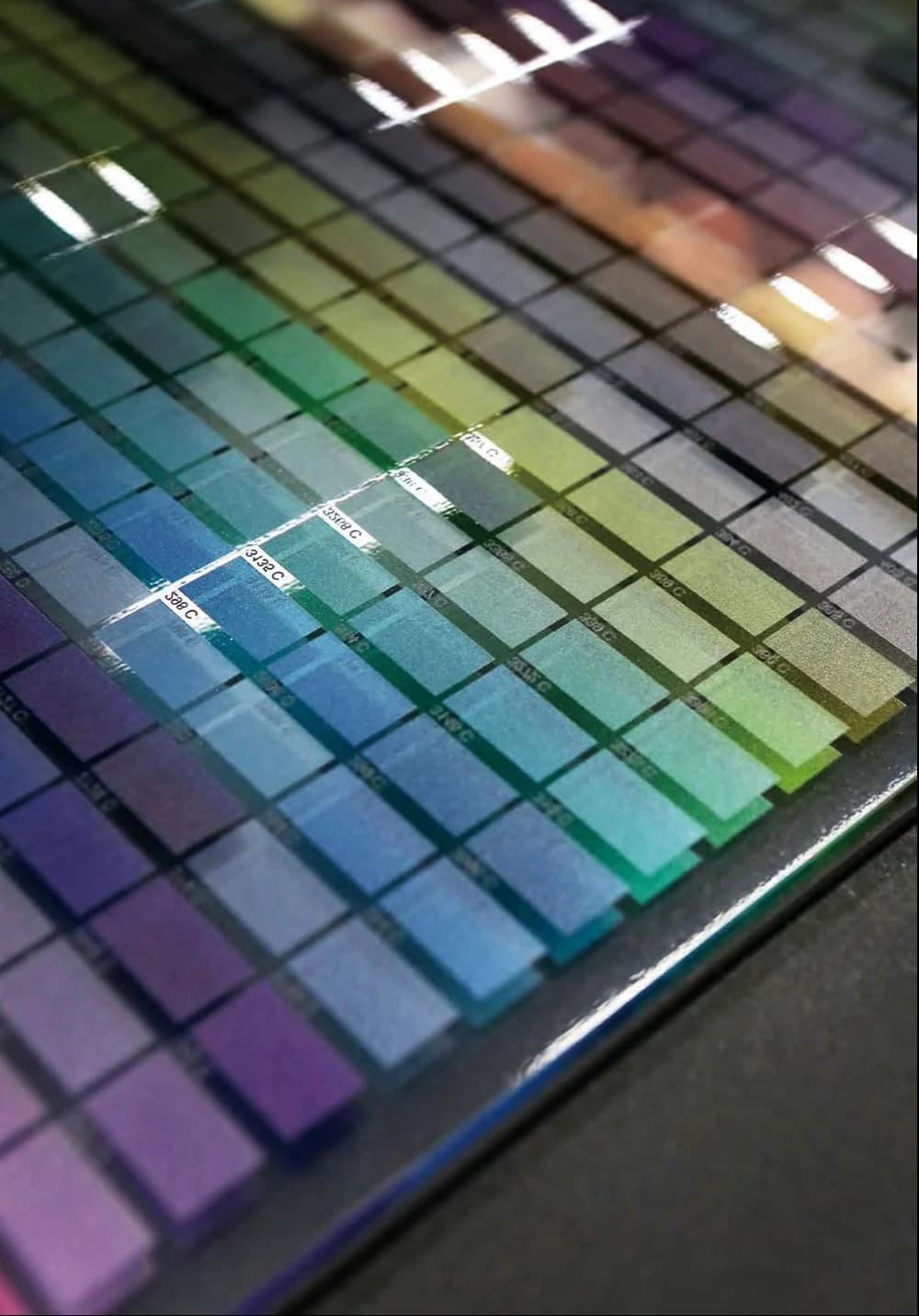
Begin with the room’s palette. Explore whether the glass should connect nearby tones or introduce a deliberate point of contrast.
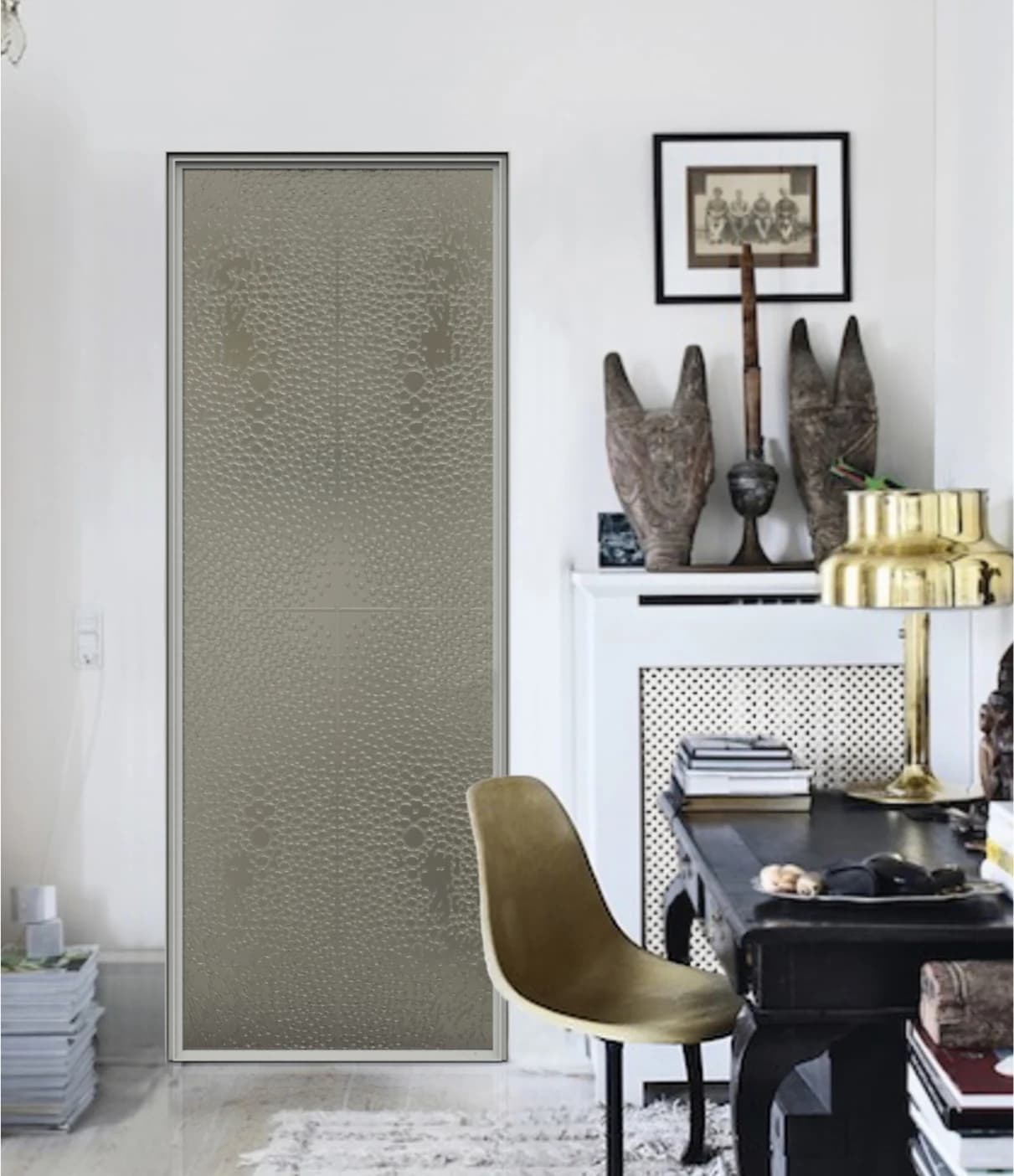
Consider rhythm and scale together. A motif read at arm’s length may have a different presence across a corridor.
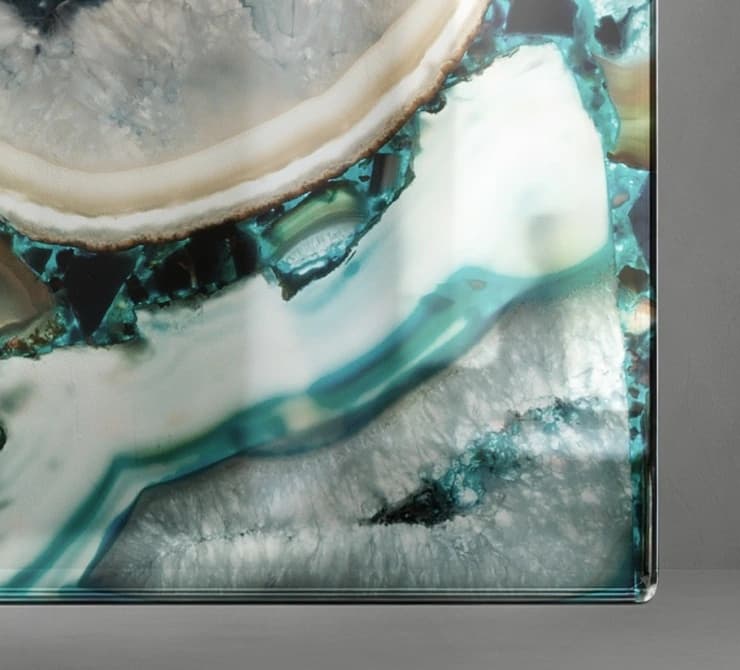
Look closely, then step back. Surface character can offer an intimate detail within a quieter architectural composition.
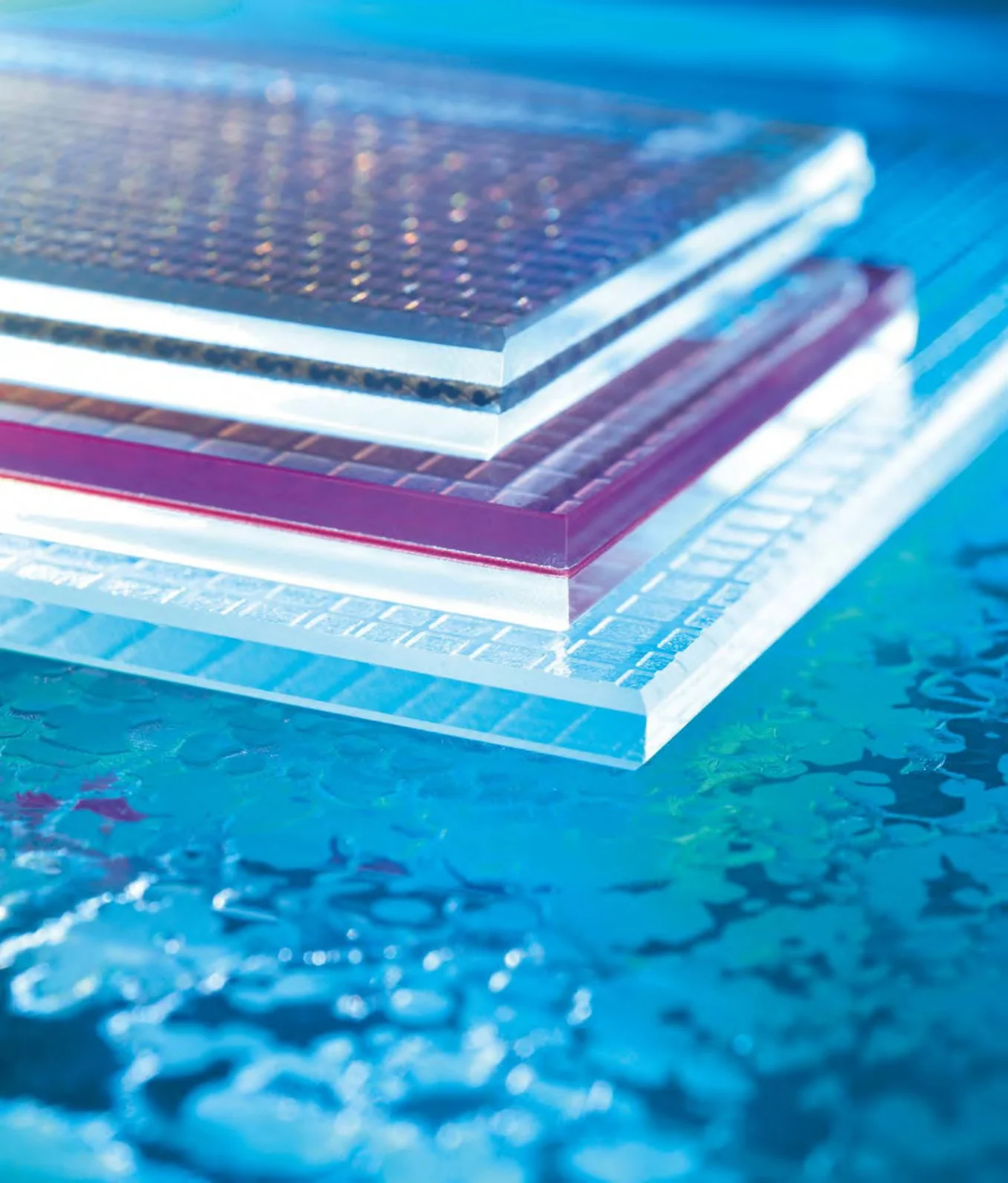
Place samples against different backgrounds. Explore how overlapping views, colour and reflection change what the eye reads.
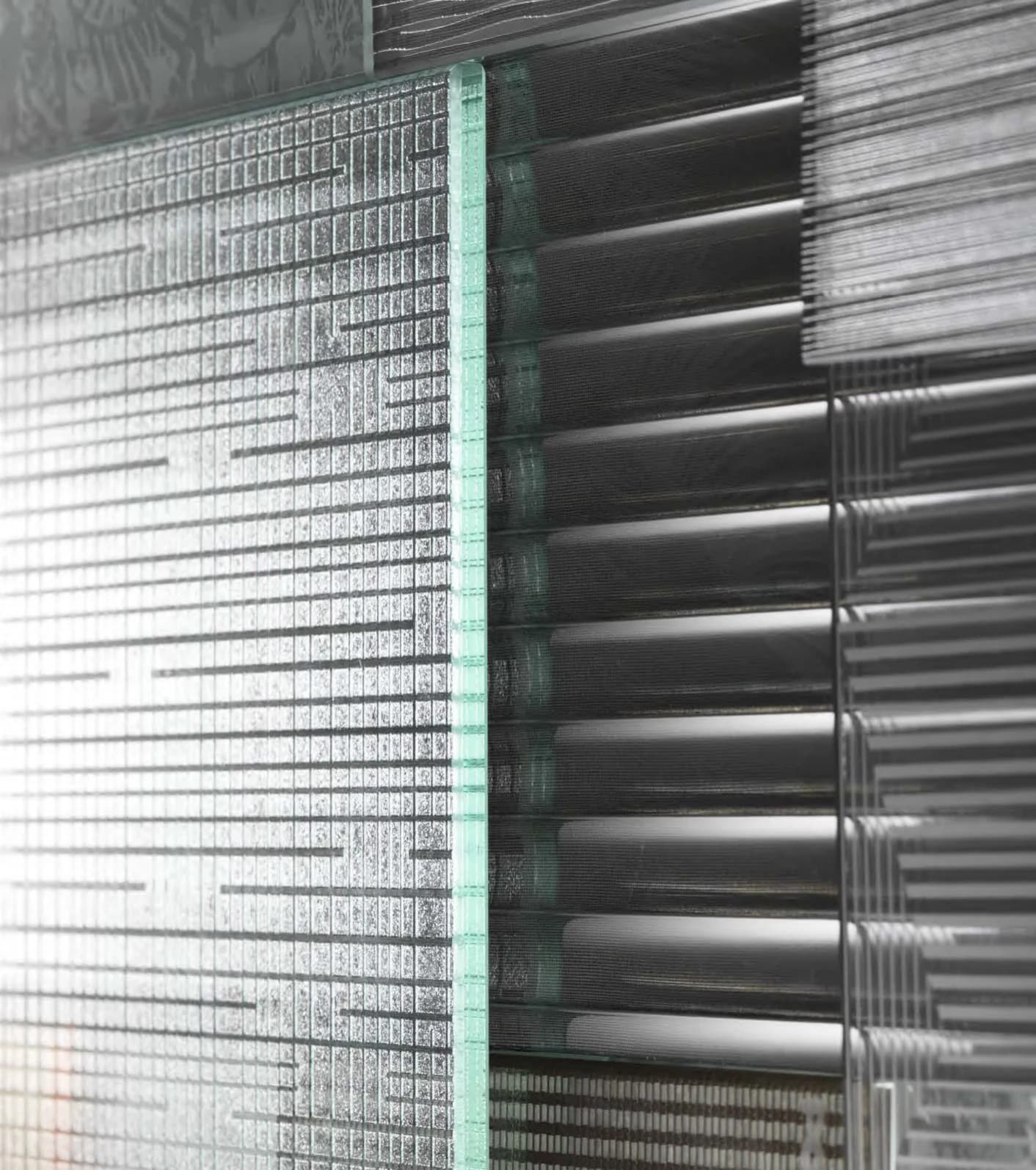
Treat the edge as part of the design. Its appearance belongs in the conversation alongside the surface, frame and junction.
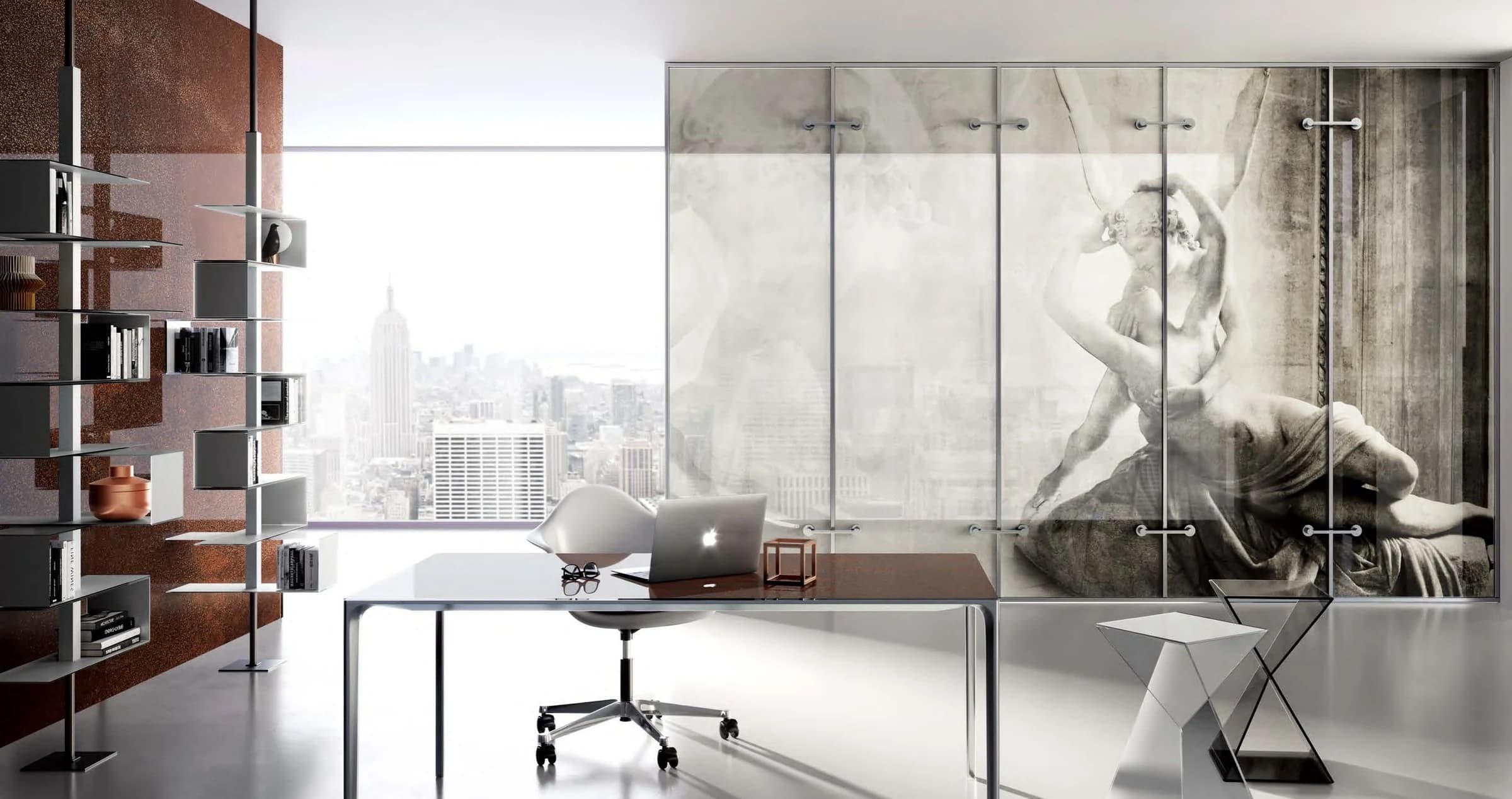
Move between a sample and the intended setting. Proportion and viewing distance help turn a visual intention into a material brief.
Colour
03Custom development process
A project journey shaped around the brief.
Share the setting, the main viewpoints and the effect you want to explore. Identify which parts of the idea are essential and which remain open.
Compare colour, surface and pattern with adjacent materials and the intended lighting. Record what the sample needs to resolve before moving further.
Bring panel dimensions, edges, joints and supports into the discussion. Review available options, production considerations and the information needed for the next step.
04Sample / material interaction
↗Starting a project
Start with the application, an approximate panel arrangement and a material reference. Add the project location, quantity or scale and intended programme if available. POBO can use this context to discuss the material direction and the specification questions that need to be resolved; a reference image is a beginning, not a final specification.
Let’s explore the possibilities
Let’s make it in glass.